
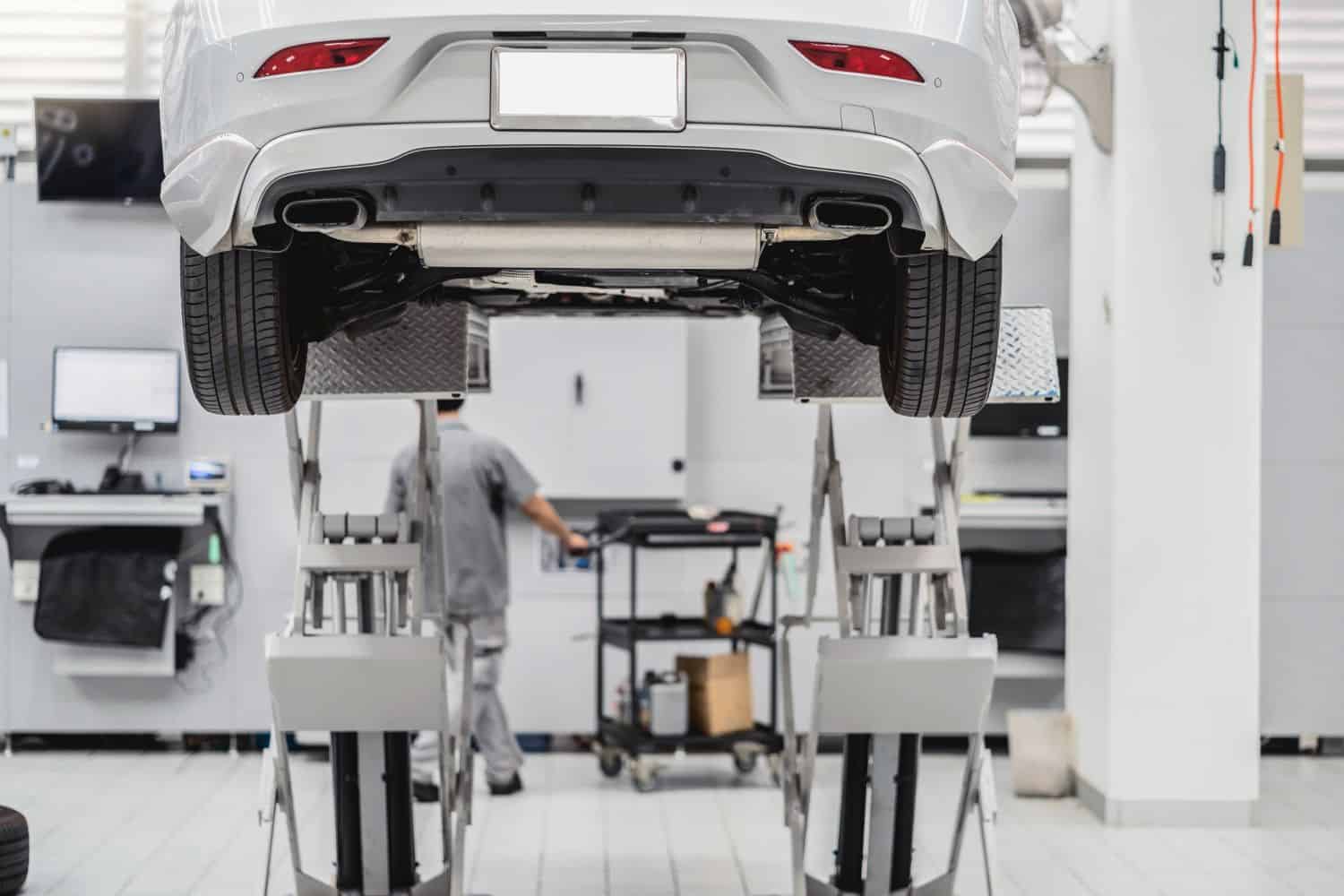
In the highly regulated world of vehicle manufacturing, ensuring that every component functions flawlessly under extreme conditions is an absolute necessity. The scientific evaluation process required to achieve this standard is known as automotive testing. This comprehensive discipline involves subjecting raw materials, electronic systems, and mechanical parts to rigorous physical and chemical assessments. By simulating real world driving stresses within a controlled laboratory environment, engineers can proactively identify structural weaknesses and prevent catastrophic mechanical failures.
The scope of this validation extends far beyond basic performance checks. Modern vehicles are complex ecosystems of advanced electronics, lightweight alloys, and synthetic polymers. To guarantee absolute compliance with international safety regulations, component manufacturers heavily rely on professional automotive testing to verify everything from metallurgical strength to the chemical stability of interior fabrics. This rigorous approach minimizes the risk of costly product recalls and protects end consumers.
Core Methodologies in Component Evaluation
To comprehensively validate a vehicle, quality control engineers divide their testing protocols into several highly specialized categories. Each category targets specific environmental and operational threats.
- Environmental and Climate Simulation: Vehicles must operate reliably in diverse global climates. Engineers expose components to extreme temperature fluctuations, high humidity environments, and concentrated salt spray chambers. This accelerates the aging process and reveals how materials will resist corrosion and thermal degradation over decades of continuous use.
- Mechanical Stress and Vibration Analysis: Continuous vibration from uneven road surfaces can severely degrade mechanical joints and electronic solders. Laboratories utilize advanced shaker tables to replicate these harsh conditions, ensuring that critical assemblies will not fracture or disconnect during typical daily driving.
- Chemical and Material Compliance: The interior cabin must remain a safe environment for all passengers. Analysts evaluate plastics, leathers, and adhesives to measure the release of harmful organic gases under intense heat. Furthermore, technical cleanliness standards mandate the removal of microscopic metallic particles from fluid lines to prevent engine blockages.
Securing Manufacturing Excellence in the Supply Chain
To navigate these demanding quality control requirements, manufacturers must collaborate with accredited analytical facilities. Utilizing Alstesting automotive testing services in Malaysia allows tier one and tier two suppliers to scientifically validate their engineering choices and prove their components are defect free. Accessing this level of analytical precision is a fundamental requirement for securing long term production contracts with major global car brands.
Maintaining a flawless production line requires continuous monitoring, rapid failure analysis, and independent verification. By integrating the comprehensive capabilities of an Alstesting Laboratory Testing service in Malaysia, manufacturers can confidently deliver exceptionally safe and highly durable vehicles to the global market.
Frequently Asked Questions (FAQ)
What specific systems are evaluated during these laboratory procedures?
Engineers evaluate almost every system within the vehicle architecture. This includes internal combustion engine components, high voltage battery enclosures for electric vehicles, braking mechanisms, suspension linkages, and the chemical composition of interior dashboard materials.
How does thermal shock testing prevent sudden component failure?
Thermal shock testing forces a material to transition from extreme heat to freezing cold in a matter of seconds. This severe temperature fluctuation exposes hidden flaws in the structural integrity of the material, preventing parts from warping or cracking when a vehicle experiences rapid climate changes in the real world.
Why is independent laboratory verification necessary for auto parts?
Independent verification provides an unbiased and highly accurate assessment of material quality. Major vehicle brands require their suppliers to provide certified analytical reports to prove that parts meet strict international safety and durability standards before they are approved for the final assembly line.